Cortisol's Dual Role
Essential: Regulates metabolism, immune response, and blood sugar.
Harmful: Chronic elevation leads to anxiety, depression, and mental health issues.
Key Hormone: Cortisol

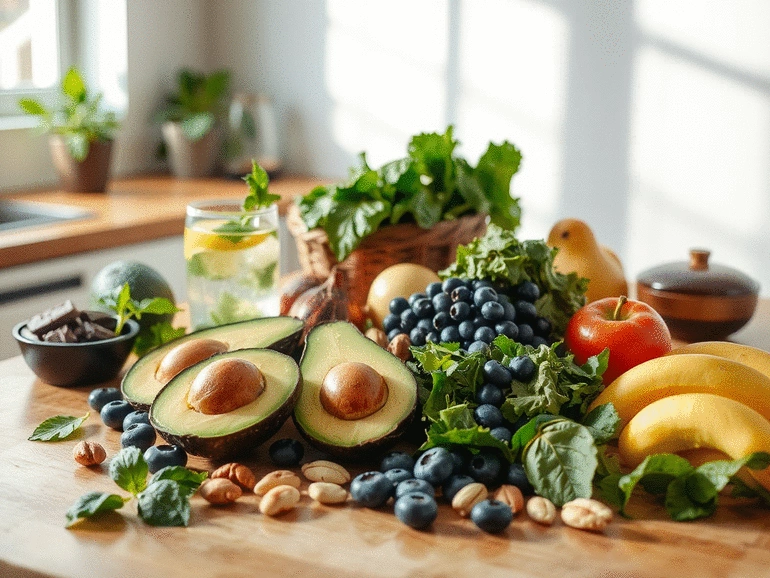
Research indicates that a staggering 80% of our stress responses can be traced back to our dietary choices. This connection between what we eat and how we feel is profound, yet often overlooked.
Delve into the intricate connections between diet, cortisol, and key hormones that influence your stress response. This visual breaks down how food choices can either help or hinder your body's ability to manage stress.
Essential: Regulates metabolism, immune response, and blood sugar.
Harmful: Chronic elevation leads to anxiety, depression, and mental health issues.
Healthy Gut: Trillions of microorganisms influence mood & stress levels, leading to lower cortisol.
Probiotics: May offer antidepressant & anti-anxiety effects by reducing inflammation.
Did you know that the food you eat can significantly influence your stress levels? At Stress Insight Solutions, we believe in the power of knowledge and nutrition as tools for managing stress. Our bodies produce a stress hormone called cortisol, which plays a vital role in how we respond to stress. Understanding the connection between nutrition and cortisol can help you make better dietary choices and improve your mental well-being.
Cortisol is often referred to as the "stress hormone" because it is released during times of stress. But what exactly is cortisol, and how does it affect our mental health? Let’s delve into this topic!
Cortisol is produced by the adrenal glands and plays a critical role in various bodily functions, including metabolism and immune response. It helps regulate blood sugar levels and manage how we respond to stressors. However, when cortisol levels remain elevated due to chronic stress, it can lead to anxiety, depression, and other mental health issues. In fact, research indicates that chronic psychological stress can alter cortisol secretion patterns, potentially impacting various health outcomes, as detailed in this Frontiers in Endocrinology study. In short, while cortisol is essential, too much of it can wreak havoc on our mental state!
A common question arises—how can we effectively manage cortisol levels? One powerful way is through our diet. What we consume can either exacerbate or alleviate stress responses in our bodies.
The hypothalamic-pituitary-adrenal (HPA) axis is the central part of the body's stress response system. When faced with a stressor, your brain sends signals to the pituitary gland, which then triggers cortisol release from the adrenal glands. This process is natural and protective, but if it’s activated too often, it can lead to health problems. Understanding this mechanism is key to recognizing how lifestyle changes, especially dietary modifications, can help maintain a healthier balance. For a deeper dive into the interplay between nutrition and the HPA axis, you can consult this comprehensive review on the topic.
So, what can we do to support our bodies in managing stress more effectively? Here are some actionable steps:
By being mindful of our dietary choices, we can help keep our cortisol levels in check.
It’s no secret that when we’re stressed, we often crave comfort foods like sweets and fried items. Unfortunately, indulging in these cravings can lead to increases in cortisol levels. Instead of giving in to these urges, it’s essential to understand the impact of what we choose to eat. Eating nutrient-dense foods not only nourishes our bodies but also stabilizes our hormone levels, reducing stress over time.
Consider keeping a food diary to track how different foods affect your mood and energy levels. This practice can help you identify patterns and make conscious dietary choices that support your stress management goals!
Three key hormones come into play when discussing diet and stress: ghrelin, leptin, and insulin. Ghrelin stimulates appetite, while leptin signals fullness. When stress is present, these hormones can become imbalanced, leading to poor eating habits that increase cortisol production. Insulin plays a role in managing blood sugar levels, but when cortisol spikes, it can disrupt insulin function, putting stress on the body.
To manage these hormonal responses, focus on eating balanced meals that incorporate:
These foods can help stabilize blood sugar levels and promote better hormonal balance.
The gut-brain axis is a fascinating connection that highlights the role of gut health in mental well-being. The gut hosts trillions of microorganisms that can influence everything from our mood to our stress levels. Studies show that a healthy gut can lead to lower cortisol levels and improved stress responses. This means taking care of our gut health is essential for managing stress. Emerging research, such as this review on the gut microbiota and mood disorders, continues to uncover the intricate ways gut microbes influence our mental state.
Incorporating probiotic-rich foods, such as yogurt, kefir, and fermented vegetables, can support gut health and, in turn, promote a healthier stress response.
Research suggests that probiotics not only improve gut health but may also have antidepressant and anti-anxiety effects. The right balance of gut bacteria can help reduce inflammation and stress, ultimately supporting mental health. Including probiotics in your diet could be a simple yet effective way to manage stress!

Here are some easy ways to add probiotics to your meals:
Making these small adjustments can contribute to a healthier gut and, consequently, a more resilient mindset.
Did you know? Incorporating foods rich in omega-3 fatty acids, such as salmon, walnuts, and flaxseeds, can significantly help reduce cortisol levels and promote better mental health. These nutrient-dense options not only support your overall well-being but also play a key role in managing stress effectively.
A: Certain foods, especially those high in sugar and unhealthy fats (comfort foods), can lead to spikes in cortisol. Conversely, a diet rich in whole foods, lean proteins, whole grains, and fresh produce helps stabilize blood sugar and hormone levels, which can reduce cortisol over time. Nutrient-dense foods also provide the building blocks for neurotransmitters that regulate mood and stress.
A: Cortisol is often called the "stress hormone." While essential for regulating metabolism and immune response, chronic elevation of cortisol due to prolonged stress can lead to negative mental health outcomes such as anxiety, depression, and other mood disorders.
A: Absolutely. The gut-brain axis is a strong connection, meaning the health of your gut significantly influences your mood and stress levels. A healthy gut microbiome, rich in beneficial bacteria, can lead to lower cortisol levels and improved stress responses. Probiotic-rich foods can support this balance.
A: Start by assessing your current diet and identifying areas for improvement. Incorporate more anti-inflammatory foods (fruits, vegetables, whole grains), prioritize hydration, and consider consulting a healthcare provider about beneficial supplements like omega-3 fatty acids and magnesium. Eating balanced meals with lean proteins, whole grains, and fresh produce can also help regulate hormones.
A: Ghrelin (appetite stimulant), leptin (signals fullness), and insulin (manages blood sugar) are also crucial. Stress can imbalance these hormones, leading to poor eating habits. A balanced diet helps stabilize these hormones, promoting better overall health and stress management.
As we've explored, the connection between nutrition and stress is profound and multifaceted. Understanding how our dietary choices influence cortisol levels can empower us to take control of our mental health. It’s not just about what we eat; it's about how these foods interact with our body's stress response and overall well-being. Our mission at Stress Insight Solutions is to illuminate these connections, so you can make informed decisions that foster resilience and mental wellness.
To summarize, here are some critical insights regarding the impact of nutrition on stress and mental health:
These key takeaways remind us that nutrition isn't just fuel for our bodies—it's a crucial factor in managing stress and enhancing our overall mental health.
Ready to make a change? Here are some actionable steps you can take to lower your cortisol levels through diet:
By taking these steps, you can begin to create a personalized nutrition plan that supports stress relief and overall mental health.
Seeking professional guidance can make a significant difference in your journey. Here are some ways to find the support you need:
These resources can provide the support and accountability you need to stay on track with your dietary changes.
Many programs are available that combine nutrition with stress management strategies. Consider looking into:
These programs can offer valuable insights, practical strategies, and a supportive community to enhance your journey towards better mental health through nutrition.
Here is a quick recap of the important points discussed in the article: