The Physiology of Stress
When stress arises, the body activates the fight-or-flight response, releasing cortisol.
- Immediate: Increased heart rate, alertness.
- Long-term: Hypertension, weakened immune function.


What if your emotional state could directly influence your physical health? This compelling idea is at the heart of the mind-body connection, a crucial understanding for anyone looking to manage stress effectively. In this exploration, you’ll discover how your thoughts and feelings intertwine with your overall well-being.
This visual illustrates the intricate relationship between mental and physical health, highlighting how stress impacts the body and the role of emotional well-being in managing these effects.
When stress arises, the body activates the fight-or-flight response, releasing cortisol.
Mental health influences physical health, and vice versa, in a continuous cycle.
Explores how psychological factors affect immune function and health.
A cornerstone of effective stress management and improved physical health.
The concept of the mind-body connection is more than just a buzzword—it's a crucial framework for understanding how stress impacts our health. This connection refers to the intricate relationship between our mental and emotional states and our physical health. At Stress Insight Solutions, we aim to explore this connection deeply, as understanding it can empower you to manage stress effectively and improve your overall well-being.
When stress arises, it can trigger various physiological responses in the body. By recognizing these responses, we can better grasp how our mental health influences our physical health. Let's dive deeper into this fascinating interaction.
The mind-body connection highlights how our thoughts, emotions, and beliefs profoundly impact our physical health. For instance, feeling anxious about an upcoming presentation can lead to physical symptoms such as a racing heart or digestive issues. This connection reinforces the notion that mental health is not separate from physical health—it's intertwined, influencing one another in significant ways.
Understanding this connection is vital as it encourages a holistic approach to health—one that integrates both mental and physical strategies for better outcomes. When we recognize this relationship, we can take steps to manage stress more effectively.
When we encounter stress, our body activates the fight-or-flight response, a survival mechanism that prepares us to face danger. This process involves a cascade of hormonal changes, primarily the release of cortisol, known as the stress hormone. Elevated cortisol levels can lead to various health issues, making it crucial to understand this physiological response. For example, recent research indicates that mental stress can significantly impact heart health, highlighting the direct link between our psychological state and cardiovascular well-being.
At Stress Insight Solutions, we emphasize the importance of understanding these responses to help you manage stress better. By learning how your body reacts, you can implement practices to calm the mind and body during stressful times.
The relationship between mental health and physical health is bidirectional; our mental state can influence our physical well-being and vice versa. For instance, individuals experiencing chronic stress may develop physical ailments, while those with physical health issues may struggle with mental health challenges. This bidirectional influence is further supported by studies, including one from University College London, which found a link between financial stress and worse biological health, demonstrating how external pressures can manifest internally.
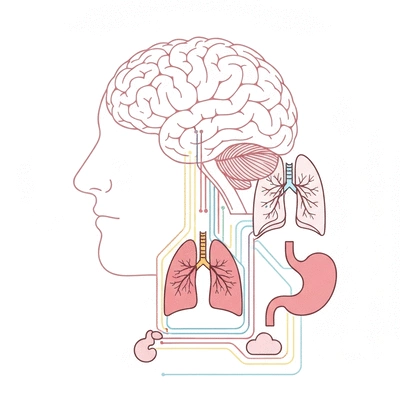
Recognizing this interplay is essential for creating a comprehensive approach to health. By focusing on both mental and physical health, we can foster a greater sense of well-being.
Psychoneuroimmunology is a field that explores how psychological factors affect immune function. Research shows that stress can significantly impact our immune system's ability to respond effectively to pathogens, highlighting the importance of emotional well-being in maintaining physical health. For instance, findings from Rice University indicate that stress-related cell damage is linked to negative mental and physical health effects, further solidifying the intricate connection studied in psychoneuroimmunology.
As we delve into this topic, it's clear that understanding psychoneuroimmunology can equip you with valuable insights for effective stress management. By nurturing your emotional health, you can positively influence your immune system and overall health.
Emotional well-being is a cornerstone of effective stress management. When we learn to process and express our emotions healthily, we can reduce the adverse effects of stress. Incorporating emotional awareness into our daily lives can lead to improved physical health.
At Stress Insight Solutions, we believe that prioritizing emotional well-being is essential for achieving a balanced life. By fostering healthy emotional habits, you can navigate stress more effectively and enhance your overall health.
Here's a brief recap of the key points discussed so far:
Integrating mind-body practices into your daily routine can feel daunting at first, but it’s all about taking small, manageable steps. As someone who deeply understands the importance of mental health, I believe that incorporating techniques like mindfulness and yoga can profoundly impact your stress levels and overall well-being. Here are some practical strategies to help you seamlessly embed these practices into your everyday life:

These small adjustments can foster a sense of peace and help you cultivate a more mindful approach to life! Remember, consistency is key; even short practices can lead to significant improvements over time.
In today’s digital age, technology can be a powerful ally in managing stress and enhancing your mind-body practices. Various apps and wearable devices can track your stress levels and offer insights into your overall health. Here’s how you can harness technology effectively:
Using these tools, you can create a personalized stress management plan that fits your lifestyle. Engaging with technology not only makes practices more accessible but also allows you to track your progress over time.
Here is a quick recap of the important points discussed in the article: