Home >

Mindfulness Apps for Stress Relief

Mindfulness Apps for Stress Relief

Mindfulness Apps for Stress Relief: A Review and Comparison
Dr. Lila Harrington | 2025-12-31

In a world where stress often feels inevitable, mindfulness apps offer a beacon of hope. These digital tools not only help individuals navigate their daily pressures but also empower them to cultivate a more peaceful state of mind. What if you could transform your stress into serenity with just a few taps on your smartphone?

What You Will Learn

  • Mindfulness apps provide guided meditations, breathing exercises, and sleep aids to help manage stress effectively.
  • The importance of stress relief techniques is underscored by the increasing pressures of modern life and their impact on mental health.
  • Different mindfulness apps offer unique features, making it essential to choose one that aligns with your personal goals and preferences.
  • Many mindfulness apps provide trial options, allowing you to explore their features without a financial commitment before deciding on a subscription.

Mindfulness App Features and Benefits Snapshot

This visual highlights key features and benefits of mindfulness apps, offering a quick comparison to aid in selection.

Core App Features

  • Guided Meditations: Structured practices.
  • Breathing Exercises: Reduce anxiety.
  • Sleep Aids: Calming sounds & stories.
App Recommendation: Calm

Best for sleep and relaxation, offering a wide range of soothing content.

Focus: Sleep & Relaxation

App Recommendation: Headspace

Ideal for beginners with structured courses to ease into mindfulness.

Focus: Beginner Guidance

App Recommendation: Insight Timer

Great for free content and a strong community support system.

Focus: Free & Community

App Recommendation: 10% Happier

Designed for skeptics, offering practical and accessible mindfulness.

Focus: Skeptic-Friendly

Understanding Mindfulness Apps for Stress Relief

In today's fast-paced world, mindfulness apps have emerged as powerful tools for managing stress. These digital platforms offer users a variety of resources aimed at promoting mental well-being through focused attention and relaxation techniques. At Stress Insight Solutions, we believe that understanding how these apps work can empower individuals to make informed choices about their stress relief strategies.

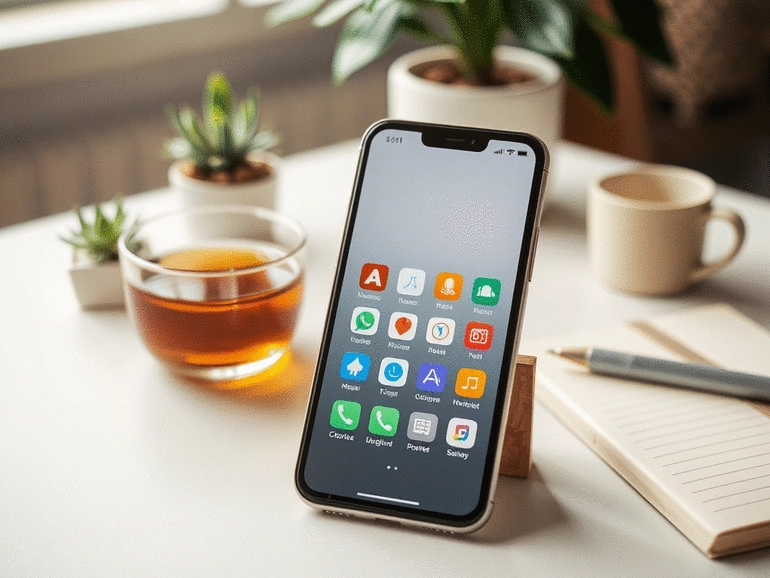
Person using a mindfulness app on a smartphone, showing guided meditation interface

So, what exactly are mindfulness apps? They are mobile applications designed to guide users through meditation, breathing exercises, and other mindfulness practices. By utilizing audio recordings, visual prompts, and interactive features, these apps help users cultivate a sense of awareness and tranquility in their daily lives. The goal is to help you develop a greater understanding of your thoughts and emotions, ultimately leading to improved overall mental health.

What Are Mindfulness Apps and How Do They Work?

Mindfulness apps function by providing structured programs that users can follow to integrate mindfulness into their routines. Many of these apps offer features such as:

  • Guided meditations that lead users through specific practices
  • Progress tracking to help users stay motivated
  • Breathing exercises designed to reduce anxiety and promote relaxation
  • Sleep aids, including calming sounds and stories to help you drift off

These features work together to create a personalized experience tailored to individual needs. As a clinical psychologist, I've seen firsthand how these tools can be beneficial for those grappling with stress, anxiety, or even insomnia.

The Importance of Stress Relief in Today's Society

Understanding the need for effective stress relief techniques is crucial. In our current society, stress is an all-too-frequent companion for many. From demanding jobs to personal responsibilities, the pressures of modern life can feel overwhelming. Therefore, finding effective ways to manage stress is essential for maintaining our mental health.

Research indicates that chronic stress can lead to serious health issues, including anxiety, depression, and even physical ailments. By incorporating mindfulness practices through these apps, individuals can learn to recognize their stressors and develop healthier coping mechanisms. This is not just about feeling better in the moment—it's about building resilience for the future. For example, a recent study published in JMIR mHealth and uHealth explored the efficacy of mobile apps in promoting mental well-being, highlighting their potential impact on daily stress management.

Pro Tip

To maximize the benefits of mindfulness apps, consider setting a consistent time each day for your practice. Whether it's morning or evening, creating a routine helps reinforce the habit, making it easier to integrate mindfulness into your daily life.

Summarizing Key Takeaways from the Mindfulness App Comparison

As we look back on our journey through various mindfulness apps, it's clear that each option offers unique features tailored to different needs. Whether you seek calming guided meditations or engaging sleep stories, these apps can be invaluable tools for managing stress. By understanding their offerings, you can find the right fit for your individual journey toward stress relief.

Here are some key takeaways to consider when selecting a mindfulness app:
  • Variety of Features: From guided meditations and sleep stories to breathing exercises, each app presents different avenues for stress management.
  • User Experience: The interface and ease of use can significantly impact your commitment. Choose an app that feels intuitive and engaging for you.
  • Trial Options: Many apps offer free trials, allowing you to explore their features without financial commitment.
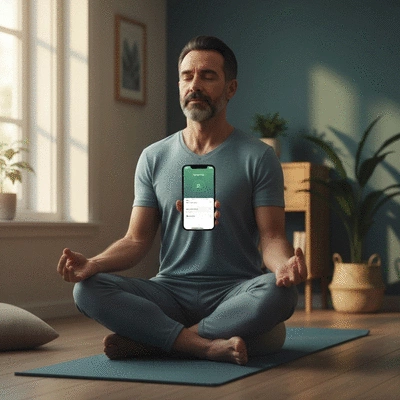
Person meditating peacefully with a mindfulness app on their phone in a serene setting

Which Mindfulness App is Right for You?

Finding the right mindfulness app is about understanding your specific needs and preferences. If you’re new to mindfulness, apps like Headspace may provide structured guidance to ease you into the practice. Alternatively, if you're looking for something more flexible, Calm might be the better choice due to its diverse offerings.

Consider the following factors when making your decision:

  • Your Goals: Are you focusing on general stress management, improving sleep, or enhancing emotional resilience?
  • Content Type: Do you prefer audio, video, or interactive content? Different apps cater to different learning styles.
  • Community Features: Some apps offer forums or community support, which can enhance your engagement and accountability.

Final Recommendations for Stress Relief Through Mindfulness

As someone who has witnessed the transformative power of mindfulness in my practice, I can attest to its profound impact on mental health. Consistent use of mindfulness apps can not only reduce stress but also foster a more resilient mindset. I encourage you to explore the options available and find one that resonates with your lifestyle.

Here’s a quick reference to help you in making your choice:

  • Calm: Best for sleep and relaxation.
  • Headspace: Ideal for beginners looking for structured courses.
  • Insight Timer: A great option for free content and community features.
  • 10% Happier: For those skeptical about mindfulness but eager to try.

Frequently Asked Questions About Mindfulness Apps

What are mindfulness apps?
Mindfulness apps are mobile applications designed to guide users through various mindfulness practices, such as meditation, breathing exercises, and sleep aids, to help manage stress and improve mental well-being.
How do mindfulness apps help with stress relief?
These apps provide structured programs and resources that teach users to focus attention, practice relaxation techniques, and cultivate awareness of their thoughts and emotions, thereby reducing stress and building resilience.
What features should I look for in a mindfulness app?
Key features include guided meditations, breathing exercises, sleep stories or sounds, progress tracking, and a user-friendly interface. Some apps also offer community support and interactive content.
Which mindfulness app is best for beginners?
Apps like Headspace are often recommended for beginners due to their structured courses and clear guidance, making it easier to integrate mindfulness into daily routines.
Can I try mindfulness apps before subscribing?
Many mindfulness apps offer free trials or a selection of free content, allowing you to explore their features and determine if they align with your needs before committing to a subscription. Additionally, research published in PMC NCBI suggests that even short-term use of such apps can offer benefits, making trials a good starting point.
How does consistent use of mindfulness apps impact mental health?
Consistent use of mindfulness apps can significantly reduce stress, anxiety, and symptoms of depression, while also fostering emotional resilience and improving overall mental well-being over time. This aligns with findings in studies such as the one on the effectiveness of meditation apps for college students, found on PMC NCBI.

Next Steps for Exploring Mindfulness Apps

How to Start Your Mindfulness Journey Today

Starting your mindfulness journey can feel daunting, but it doesn’t have to be! Begin by choosing one app that aligns with your needs, and commit to using it for just a few minutes daily. Consistency is key—set aside a specific time each day to practice, and gradually increase your sessions as you become more comfortable.

Remember, it’s perfectly okay to explore multiple apps until you find your ideal match. The goal is to make mindfulness a rewarding part of your routine.

Engaging with Community Resources and Further Reading

Connecting with a community can significantly enhance your mindfulness experience. Many of these apps offer forums or social features that allow you to share your journey with others, providing motivation and support.

Additionally, consider engaging with a few recommended resources:

  • Apps for Meditation: Explore options like Calm and Headspace for guided meditation.
  • Self-Compassion Apps: Look into Breethe and Simple Habit for added support in self-care.
  • Online Communities: Join forums or local groups that focus on mindfulness to exchange tips and experiences.

Starting your mindfulness journey with the right resources can lead to lasting changes in your approach to stress. At Stress Insight Solutions, we believe in the power of informed choices, so take your time and choose what feels best for you!

Recap of Key Points

Here is a quick recap of the important points discussed in the article:

  • Mindfulness Apps: These apps provide guided meditations, breathing exercises, and sleep aids to help users manage stress.
  • Features to Look For: Consider apps that offer a variety of features, ease of use, and trial options to find the best fit for your needs.
  • Personal Goals: Identify your specific goals with mindfulness, such as stress management or improving sleep, to choose the right app.
  • Community Engagement: Many apps include community features that can enhance your mindfulness journey through support and motivation.
  • Consistency is Key: Regular use of mindfulness apps can foster resilience and improve mental well-being over time.
Subscribe & Share

About Stress Insight Solutions

We illuminate the causes and effects of stress through science-informed resources, empowering you to recognize stressors and implement effective coping strategies. Your mental well-being is our priority.