

Home >

Understanding Stress: Patterns and Responses

Understanding Stress: Patterns and Responses

The Science Behind Stressful Situations: Identifying Patterns and Responses
Dr. Lila Harrington | 2025-12-14

What if the stress you feel is not just in your mind but deeply rooted in your biology? Understanding the science behind stress responses is crucial for effectively managing stress in daily life.

What You Will Learn

  • The HPA and SAM axes are the primary systems that regulate our stress responses, affecting both immediate and long-term reactions.
  • Elevated cortisol levels can lead to health issues when experienced over prolonged periods, making awareness of stress crucial.
  • Individual stress responses vary due to factors such as personality, past experiences, and emotional patterns.
  • Recognizing common stressors in life—academic, workplace, and relationship-related—can help in developing proactive coping strategies.
  • Stress management techniques, such as mindfulness, breathing exercises, and regular physical activity, can significantly alleviate stress levels.
  • Building a strong social support network and enhancing emotional intelligence are essential for improving coping mechanisms.
  • Understanding the long-term effects of chronic stress is vital for maintaining mental and physical health over time.

Understanding Stress Responses: Key Systems & Their Impact

Stress triggers a cascade of reactions, primarily driven by two key systems. Below is a comparison of how these systems function and their physiological impact.

HPA Axis: Long-Term Stress Response

Regulates long-term stress responses through our body’s primary stress hormone, cortisol.

  • Hypothalamus signals pituitary gland.
  • Pituitary releases ACTH.
  • Adrenal glands produce cortisol.
Impact: Chronic stress, health issues over time.
SAM Axis: Immediate Fight-or-Flight

Triggers the rapid fight-or-flight response with the release of adrenaline.

  • Stressors identified instantly.
  • Adrenaline surges into bloodstream.
  • Body prepares for action.
Impact: Increased heart rate, immediate alertness.

The Science Behind Stressful Situations: Understanding Stress Responses

When we talk about stress, we often picture overwhelming moments or tight deadlines. But what truly happens in our bodies during these stressful situations? Understanding the physiological responses can empower us to manage stress more effectively. At Stress Insight Solutions, we delve into the intricate science behind stress responses to help you recognize and navigate these experiences.

Essentially, stress triggers a cascade of reactions in our bodies, primarily driven by two key systems: the HPA axis and the SAM axis. These axes work together to help us respond to threats, both immediate and chronic, shaping how we cope in various situations.

What Happens in Our Bodies When We Experience Stress?

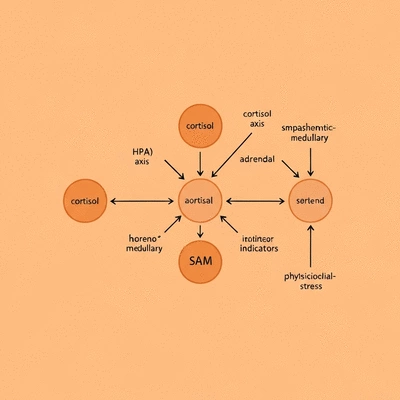
At the core of our stress response is the hypothalamic-pituitary-adrenal (HPA) axis, which orchestrates the release of stress hormones. When we perceive a stressor, the hypothalamus sends signals to the pituitary gland, prompting it to release adrenocorticotropic hormone (ACTH). This, in turn, stimulates the adrenal glands to produce cortisol, our body's primary stress hormone. Meanwhile, the sympathetic-adreno-medullary (SAM) axis kicks in, releasing adrenaline for immediate energy and alertness.

  • HPA Axis: Regulates long-term stress responses through cortisol.
  • SAM Axis: Triggers the fight-or-flight response with adrenaline.
  • Physiological Impact: Increased heart rate, heightened awareness, and energy mobilization.

This two-pronged system prepares us to either confront or flee from perceived threats, highlighting our body’s remarkable ability to adapt. However, understanding these mechanisms is the first step in managing stress and mitigating its effects on our mental health.

The Neurobiology of Stress: Key Mechanisms at Play

HPA Axis and Cortisol: The Body's Stress Hormone

As we delve deeper into the HPA axis, it’s important to recognize how cortisol plays a pivotal role in our stress response. Increased cortisol levels prepare our body for a quick response but can lead to various health issues when elevated over extended periods. Research shows that chronic stress can keep cortisol levels high, impacting our emotional well-being and overall health.

Understanding the balance of cortisol is essential for developing effective coping strategies. At Stress Insight Solutions, we emphasize the importance of recognizing when your body is in a state of heightened stress response and finding ways to bring it back to a balanced state.

Sympathetic-Adreno-Medullary (SAM) Axis: Immediate Stress Reactions

The SAM axis operates as our body's rapid response system. When a stressor is identified, adrenaline surges into the bloodstream, leading to immediate reactions such as increased heart rate, dilated pupils, and heightened readiness for action. This is the classic fight-or-flight response, and it’s fascinating how quickly our bodies can prepare to deal with challenges! However, frequent activation of this system in everyday life can lead to exhaustion and burnout.

Detailed illustration of the HPA and SAM axes with physiological indicators of stress

To illustrate, think about the last time you had to give a presentation. Your heart raced, palms got sweaty—this is your SAM axis at work! Recognizing these reactions can help us implement strategies to manage stress more effectively.

Understanding Individual Differences in Stress Responses

Not everyone reacts to stress in the same way. Individual differences in stress responses can be attributed to various factors including personality traits, past experiences, and even biological predispositions. Understanding these differences allows us to tailor our coping mechanisms, enhancing our resilience.

Emotional and Cognitive Response Patterns

Our emotional and cognitive patterns significantly influence how we experience stress. For example, some individuals may become anxious and overwhelmed while others remain calm and collected. This variance often stems from prior experiences and individual processing styles, which can be explored through personal reflection or professional guidance.

  • Influential Factors: Past trauma, personality traits, and learned coping strategies.
  • Emotional Patterns: Anxiety versus calmness in stressful situations.
  • Cognitive Patterns: Positive reframing versus catastrophic thinking.

Recognizing your unique response patterns can pave the way for effective stress management techniques tailored to your needs.

Physiological and Behavioral Clusters: A Multidimensional Approach

Beyond emotional responses, physiological symptoms and behavioral reactions also vary widely among individuals. Some may experience headaches or digestive issues, while others may notice changes in sleep patterns or appetite. Identifying these clusters can be crucial for understanding how stress manifests in your life.

At Stress Insight Solutions, we encourage you to look for patterns in your own life. Are there behaviors that surface when you’re stressed? Understanding these can lead to more effective coping strategies.

Identifying Common Stressors and Their Impact

Common stressors in our daily lives can stem from academics, workplace demands, or personal relationships. Each of these areas can introduce significant challenges, ultimately affecting our mental health and well-being. By recognizing and categorizing these stressors, we can take proactive steps towards managing them.

  • Academic Stress: Deadlines, exams, and performance pressure.
  • Workplace Stress: Job demands, conflicts, and uncertainty.
  • Relationship Stress: Communication issues, family dynamics, and obligations.

Understanding these common stressors is the first step in mitigating their impact. As we dive deeper into stress management strategies, we’ll explore various techniques that can help you effectively navigate these challenges.

Measuring Stress: Biomarkers and Assessment Methods

Measuring stress can be complex but incredibly valuable for developing effective interventions. Various methods, including biomarkers and psychological assessments, help us quantify stress levels and understand their implications.

Ambulatory Sampling and Psychological Assessment

One popular method is ecological momentary assessment (EMA), which tracks stress responses in real-time. This technique allows individuals to report their stress levels and experiences as they occur, providing invaluable data for researchers and practitioners alike. By integrating this approach into our understanding of stress, we can identify patterns and triggers more effectively.

Language Markers and Gene Expression: New Frontiers in Stress Measurement

Exciting advancements in stress research have shown that language use can also provide insights into stress responses. For instance, specific word patterns and emotional language may correlate with heightened stress levels. Additionally, ongoing research on gene expression is revealing how our biological makeup can influence our stress reactions. For more on cutting-edge research, explore new and notable papers in stress measurement.

At Stress Insight Solutions, we believe knowledge is power! Understanding these measurement techniques can offer a clearer picture of your stress and help guide your management strategies.

Practical Implications of Stress Responses: Strategies for Management

Recognizing stress responses is just the beginning. The true challenge lies in translating this knowledge into effective management strategies that foster resilience. By connecting your stress response patterns to specific coping strategies, you can cultivate a more balanced and healthy approach to stress.

Integrating Stress Responses with Mental Health Outcomes

Research indicates that understanding your stress responses can significantly impact mental health outcomes. By fostering awareness of your stress patterns, you can build psychological resilience, enabling you to handle stressors more effectively.

Intervention Strategies: Tailoring Approaches to Individual Needs

Different strategies work for different people. It’s essential to connect your unique stress response profile to specific interventions that resonate with you. Personalized coping strategies can include mindfulness practices, physical activity, or therapy, each tailored to your individual needs.

Stress Relief Strategies: Techniques for Everyday Life

Incorporating stress relief techniques into your daily routine can make a world of difference. Techniques such as mindfulness, deep breathing exercises, and regular physical activity can significantly aid in reducing stress levels and enhancing your overall mental health.

  • Mindfulness: Being present in the moment helps reduce anxiety.
  • Breathing Exercises: Simple techniques can quickly calm the nervous system.
  • Physical Activity: Engaging in exercise releases endorphins, improving mood.

These practical strategies not only help manage stress but also empower you to face daily challenges with greater resilience.

The Role of Social Support and Emotional Intelligence in Coping

Finally, we cannot overlook the importance of community and emotional intelligence in our stress management journey. Building strong support networks and enhancing emotional intelligence can significantly improve coping mechanisms. As a psychologist, I've seen firsthand how connecting with others can help lighten the burden of stress. The American Psychological Association provides valuable insights into how collective trauma and recovery impact community well-being.

At Stress Insight Solutions, we encourage you to reach out and build those connections. Whether through friends, family, or support groups, remember that you don’t have to navigate stress alone! We are all in this together.

Frequently Asked Questions About Stress Responses

What are the two main systems that regulate our stress responses?

The two main systems are the HPA (hypothalamic-pituitary-adrenal) axis, which manages long-term stress through cortisol, and the SAM (sympathetic-adreno-medullary) axis, which triggers immediate fight-or-flight responses through adrenaline.

How does chronic stress affect the body?

Chronic stress can lead to elevated cortisol levels, which can cause various health issues over time, including impacts on emotional well-being, weakened immune function, disrupted sleep patterns, and increased risk of chronic diseases like hypertension and diabetes.

Why do individuals react differently to stress?

Individual stress responses vary due to factors such as personality traits, past experiences (including trauma), and emotional patterns. These differences influence how one perceives and copes with stressful situations.

What are some common stressors in daily life?

Common stressors include academic pressures (deadlines, exams), workplace demands (job conflicts, uncertainty), and relationship issues (communication problems, family dynamics).

What are effective stress management techniques?

Effective techniques include mindfulness practices, deep breathing exercises, regular physical activity, building a strong social support network, and enhancing emotional intelligence.

We Want to Hear From You!

What do you think about your personal stress triggers? Do you find certain situations consistently heighten your stress levels? Share your thoughts below:

Summarizing the Impact of Stress Science on Daily Life

Understanding the science behind stress is vital for all of us, whether we are individuals navigating daily challenges or practitioners supporting clients. By integrating insights from stress research into our daily routines, we can greatly enhance our approach to managing stress. Here at Stress Insight Solutions, we believe that knowledge is power, and applying this knowledge can transform our responses to stress.

Person practicing mindfulness or meditation in a calm environment

One effective way to bridge knowledge and practice is to develop personalized stress management strategies. Here are some guidelines to keep in mind:

  • Identify your specific stressors and response patterns.
  • Utilize evidence-based techniques, such as mindfulness and relaxation exercises.
  • Incorporate regular self-reflection to understand emotional triggers better.
  • Engage in continuous learning to stay updated on stress management practices.

By actively applying these insights, we can improve our mental well-being and foster resilience in ourselves and those around us!

Taking Action: Next Steps for Individuals and Practitioners

Now that we've explored the science of stress, it's essential to take action. I encourage you to reflect on your personal stress responses. Ask yourself: What triggers my stress? How do I typically react? By assessing these areas, you can begin to tailor your approach to stress management.

As practitioners, consider incorporating assessment tools into your practice. Tools like ecological momentary assessment (EMA) can provide valuable insights into your clients' stress patterns in real-time. This awareness can help guide them in implementing effective coping strategies.

So, what are the next steps you can take? Consider starting with:

  • Journaling your stress responses.
  • Using assessments to measure stress levels.
  • Engaging in conversations about stress within your support network.

Taking these steps can lead to increased awareness and empowerment in managing stress!

Engaging with Research: How to Stay Informed

Staying informed about the latest findings in stress research is crucial for both individuals and practitioners. Engaging with current literature can help you discover new techniques and strategies that may benefit you or your clients. Here are some resources to help you stay updated:

  • Subscribe to reputable psychology and health journals.
  • Follow research institutions and universities focusing on stress studies.
  • Join online forums and groups dedicated to stress management and mental health.
  • Attend workshops or webinars led by experts in the field.

By actively engaging with research, we can enhance our understanding and application of stress science in our daily lives.

Understanding the Long-Term Effects of Chronic Stress

Chronic stress can have profound long-term effects on our health, leading to conditions such as anxiety, depression, and even heart disease. It’s essential to acknowledge these impacts and understand how they can affect our overall well-being. For instance, prolonged exposure to stress hormones can weaken the immune system and disrupt sleep patterns.

To mitigate these effects, it’s important to recognize the signs of chronic stress and seek support when necessary. Here are some long-term implications to be aware of:

  • Increased risk of chronic diseases such as hypertension and diabetes.
  • Higher likelihood of mental health disorders.
  • Long-lasting changes in brain structure and function.
  • Decreased overall quality of life.

Understanding these effects emphasizes the importance of effective stress management strategies. At Stress Insight Solutions, we are committed to helping you build resilience and a healthier mindset to combat the adverse effects of stress. Remember, it’s never too late to start prioritizing your mental health!

Recap of Key Points

  • Understand the Stress Response: Recognize how the HPA and SAM axes trigger physiological changes during stress.
  • Recognize Individual Differences: Acknowledge how personality, past experiences, and emotional patterns influence stress responses.
  • Identify Common Stressors: Categorize stressors from academics, workplace, and personal relationships to better manage them.
  • Implement Effective Coping Strategies: Utilize techniques like mindfulness, breathing exercises, and physical activity to manage stress.
  • Build Social Support: Foster connections with others to enhance resilience and improve coping mechanisms.
Subscribe & Share

About Stress Insight Solutions

We illuminate the causes and effects of stress through science-informed resources, empowering you to recognize stressors and implement effective coping strategies. Your mental well-being is our priority.