

As Dr. Lila Harrington emphasizes, the digital realm offers both connection and stress. Are you aware of how your social media habits might be shaping your mental well-being? Let's take a closer look at the nuanced impacts of social media on our lives.
The visual below illustrates key findings from research on social media use and its connection to stress levels, highlighting affected demographics and behavioral patterns.
In today’s digital age, social media has become an integral part of life, especially for adolescents and young adults. While platforms like Instagram, Twitter, and TikTok offer opportunities for connection and creativity, they also come with a unique set of challenges. The influence of social media on mental health is profound, revealing both positive and negative impacts that we need to navigate carefully. The U.S. Surgeon General has issued advisories regarding the potential mental health risks of social media for youth, underscoring the importance of understanding its effects.
On the one hand, social media can foster community and provide a platform for self-expression. It allows individuals to share their experiences and seek support from others. On the other hand, it often contributes to heightened stress levels and feelings of inadequacy. Understanding this double-edged sword is vital for managing our mental health in a society increasingly shaped by digital interactions.
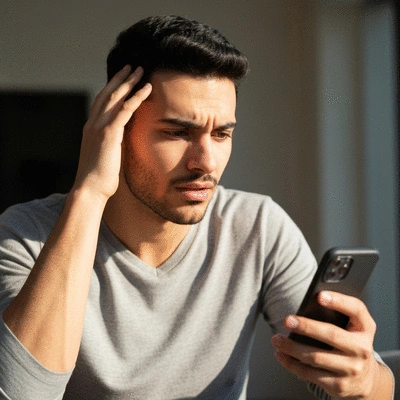
As social media usage surges—especially among younger generations—it’s essential to recognize the implications this has on stress and mental well-being. Here are some notable points about its rise:
This combination of connection and potential disconnection can be confusing. Many young people feel the pressure to present a perfect image online, which can lead to increased feelings of stress and anxiety. It’s a cycle that we need to break, and awareness is the first step.
Problematic social media use is characterized by excessive engagement that negatively impacts daily life. This could manifest as constant checking of notifications or spending hours scrolling through feeds, often at the expense of real-life interactions and responsibilities. Here are some signs to watch for:
These behaviors can contribute significantly to increased levels of stress, anxiety, and depression. As we navigate our social media habits, it’s crucial to recognize when our usage becomes problematic and take action towards healthier engagement. UC Davis Health offers practical tips for using social media safely and mitigating its negative impacts.
Research in the field of psychology continues to unveil the complex relationship between social media use and stress levels. By synthesizing findings, we can gain clearer insights into how these platforms affect our mental health.
Several meta-analyses have demonstrated a consistent association between social media use and stress. Here are some key findings:
Understanding these insights is crucial for developing effective strategies to mitigate stress related to social media. A comprehensive review published in PMC highlights the evolving understanding of social media's impact on mental well-being, emphasizing the need for continued research and intervention. At Stress Insight Solutions, I believe we can empower ourselves with knowledge, transforming our social media habits into tools for connection rather than sources of stress.

Diving deeper into the demographics of social media users reveals significant variations in how different groups are affected. Here are a few demographic trends:
These trends highlight the importance of tailor-made strategies that consider age, gender, and familial influences. By understanding who is most impacted, we can better target our approaches to stress management related to social media.
To mitigate the stress associated with social media, consider implementing a digital detox. Set aside specific times during the week where you completely unplug from social media. This break can help you reset your mental state, reduce anxiety, and gain perspective on your online interactions.
As we've explored the intricate relationship between social media use and stress levels, it’s clear that this double-edged sword can significantly affect our mental well-being. Research shows that while social media can foster connections and provide platforms for support, it can also lead to increased feelings of anxiety, depression, and social comparison. The evidence points towards a pressing need for further research to thoroughly understand these impacts and to develop effective interventions.
In summary, social media is not just a tool for communication; it's a complex factor influencing our mental health landscape. As Dr. Lila Harrington from Stress Insight Solutions emphasizes, acknowledging these effects is the first step towards managing them effectively. We must consider both the benefits and risks associated with frequent use to foster healthier online interactions.
Now that we have a clearer picture of social media's impact on stress, it's time to reflect on our own usage. I invite you to take a moment and think about how your social media habits influence your stress levels. Implementing a few simple strategies can help create a healthier digital environment, not just for yourself but also for those around you.
In my experience, these changes can significantly reduce the negative impact of social media on mental health. At Stress Insight Solutions, we believe in empowering individuals to recognize and manage their stressors effectively.
Online communities can play a vital role in providing emotional support, especially for those feeling overwhelmed by social media. These platforms can offer a sense of belonging and understanding, allowing individuals to share their experiences and coping mechanisms freely. Engaging with supportive online groups can mitigate feelings of isolation and provide strategies to handle stress.
I encourage you to connect with others who are navigating similar experiences. Share your thoughts on social media and mental health; by so doing, we can foster a supportive community that empowers everyone to manage stress effectively. Remember, you're not alone in this journey!
Here is a quick recap of the important points discussed in the article:



Adolescent Social Media Usage
of adolescents use social media, many for several hours daily.
Highest Stress Age Group
Young adults in this age range experience the most social media-related stress.
Gender & Social Comparison
Females are often *more impacted* by social comparisons than males.
Parental Monitoring Reduces Stress
Children with engaged parents tend to have *lower* social media-related stress.