Vitamins Supporting Brain Function
- • Vitamin B6
- • Vitamin C
- • Vitamin E
Essential for neurotransmitter health.


Start prioritizing your nutrition today by reflecting on how what you eat can shape your emotional resilience. The connection between diet and stress management is more profound than most realize—let's unlock these insights together!
The visual below highlights key nutritional factors that either exacerbate or alleviate stress, categorized into Vitamins, Minerals, and Fatty Acids.
Essential for neurotransmitter health.
Crucial for regulating stress responses.
Linked to lower stress and improved mood.
It's fascinating how our dietary choices can directly influence our stress levels! As someone who has spent over a decade researching stress, I can attest to the profound connection between what we eat and how we feel. In this section, we'll explore the scientific insights that reveal how nutrition impacts stress and why understanding this relationship is crucial for our mental health.
When I first began my journey into stress management, I was surprised to learn that nutrition plays a pivotal role in our emotional well-being. Research shows that certain nutrients can enhance our ability to cope with stress, while others may contribute to increased anxiety. Let’s dive into how nutrition interacts with our stress response and the key factors to consider.
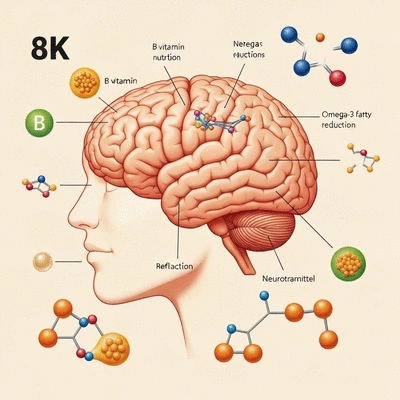
Nutrition and stress are intertwined in ways that might surprise you. Our body requires specific nutrients to function optimally, particularly during stressful times. Stress can deplete essential vitamins and minerals, making it even more critical to maintain a balanced diet.
By recognizing the connection between nutrition and stress, we can begin to make informed choices about what we consume. Remember, fueling our bodies with the right nutrients is not just about physical health; it’s also about nurturing our mental resilience!
Several nutritional factors are known to influence stress levels, and becoming aware of them can be empowering. Here are some key elements that can either exacerbate or alleviate stress:
Incorporating these elements into our daily diet can help us manage stress more effectively. As I often share with clients at Stress Insight Solutions, small dietary adjustments can lead to significant improvements in how we feel on a daily basis. By prioritizing these nutrients, we can pave the way for a healthier, less stressful life!
Understanding the specific nutrients that support stress management is vital. Let’s explore how vitamins, minerals, and fatty acids work in our favor.
Did you know? Incorporating a variety of colorful fruits and vegetables into your diet not only enhances your physical health but also boosts your mood and resilience against stress. Aim for a "rainbow plate" at each meal to ensure you're getting a diverse range of nutrients that support your mental well-being!
Nutritional choices play a pivotal role in how we manage stress. As a clinical psychologist, I've seen firsthand how the food we consume can significantly influence our emotional well-being. It's not just about eating healthy foods; it's about understanding the impact of specific nutrients on our stress levels. By integrating nutritional knowledge into our daily lives, we empower ourselves to make choices that foster resilience and peace of mind.

Implementing simple changes can have profound effects. For instance, opting for whole foods rich in essential vitamins and minerals can help stabilize our mood and reduce the symptoms of stress. Let’s explore practical ways to incorporate nutritional insights into our routines. For a deeper dive into how food influences psychological well-being, explore this article on food and psychological health.
Making informed dietary choices involves understanding which foods support stress management. Here are some effective strategies to consider:
By prioritizing these nutritional elements, we can create a balanced diet that not only supports physical health but also fosters mental clarity and emotional stability. Remember, small, consistent changes can lead to lasting improvements in how we manage stress!
Keeping track of what we eat can be a game-changer in understanding our stress management strategies. Here are some methods to help you monitor your nutritional intake:
Tracking your intake not only helps in making mindful food choices but also fosters a deeper connection to your body's needs. This self-awareness is crucial for managing stress effectively.
Our mental health is intricately linked to our nutritional choices. This connection is often overlooked, yet it plays a vital role in stress management. When we prioritize our mental well-being, we’re better equipped to choose foods that nurture our bodies and minds.
Stress can cloud our judgment, making it challenging to select healthy options. By cultivating a positive mental state, we can enhance our ability to make better food choices. Practices such as mindfulness and meditation can help clear mental clutter, allowing us to focus on our nutritional goals. For more insights on this connection, Harvard T.H. Chan School of Public Health offers valuable information on mindful eating and stress.
Sleep quality is another critical factor impacting our nutritional needs. Lack of sleep can lead to increased cravings for unhealthy foods and exacerbate stress. Prioritizing good sleep hygiene, such as maintaining a consistent sleep schedule and creating a restful environment, can significantly improve both mood and dietary choices.
Here are some frequently asked questions about the connection between diet and stress:
To foster long-term stress reduction, it's essential to adopt sustainable practices that promote both nutritional wellness and mental health. At Stress Insight Solutions, we aim to empower you with the tools to establish healthy habits that endure through life's challenges.
Having a supportive community can make a world of difference in maintaining healthy eating habits. Connecting with others who share similar goals provides encouragement and accountability. Consider joining local support groups, online forums, or even meal prep clubs to foster these connections!
Now is the perfect time to take action! Start incorporating these nutritional strategies into your daily routine and watch how they positively impact your stress levels. Remember, managing stress is a journey, and every step counts. I invite you to reflect on your nutritional choices and explore how they can enhance your overall well-being. Let’s embark on this path to resilience together!
Here is a quick recap of the important points discussed in the article: